
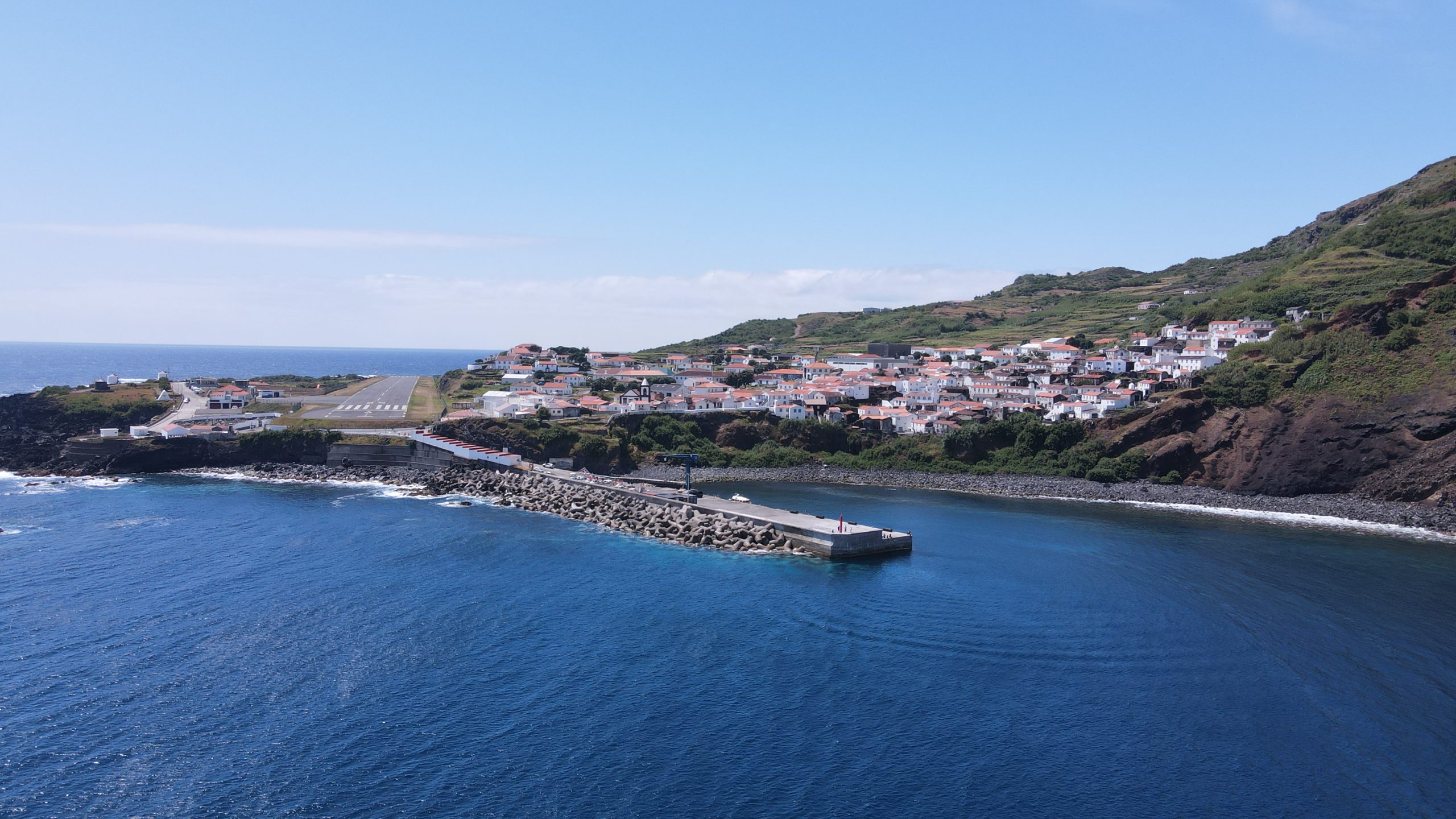
Corvo Island history is a story of sea, resistance and community: from discovery and settlement to Atlantic raids and municipal autonomy.
Corvo’s history calls for a careful chronology. The Corvo Ecomuseum records that Diogo de Teive and Pedro Velasco found the islands of the Western Group in 1452. Historical documentation and Wikipedia’s summary both advise caution about the exact date and attribution of the Portuguese discovery of Corvo.
Settlement in layers
The first settlement attempts in the early sixteenth century did not succeed. In 1548, the consolidation process involved descendants of settlers from Flores and enslaved people from Cabo Verde. This documented dimension of the Corvine community’s formation deserves recognition.
The Atlantic also brought conflict. In 1587 the island was raided by English corsairs. In 1632, residents repelled an incursion by North African pirates; local tradition associates that episode with devotion to Nossa Senhora dos Milagres, separating religious memory from demonstrated historical evidence.
Village and municipality
On 20 June 1832, D. Pedro IV raised the settlement of Corvo to the status of village and municipal seat. The date became the municipal holiday and places local autonomy within a history of adaptation and continuity.
More about Corvo Island history
- Startup Corvo, the business incubator on Corvo Island
- Corvo Island: one whole municipality
- Living on Corvo